
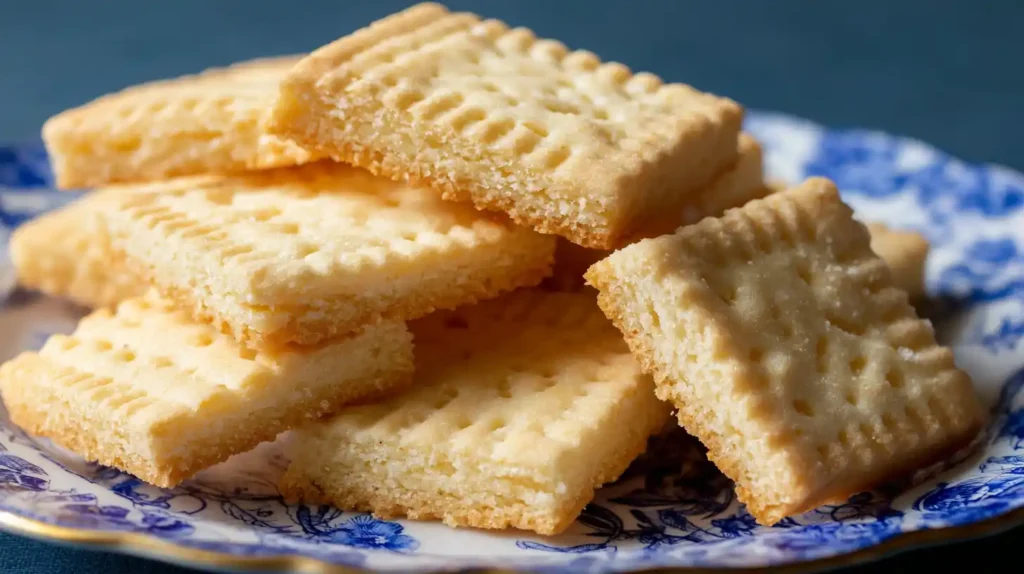
Scottish Shortbread is a timeless classic known for its rich buttery flavor, delicate crumb, and melt-in-your-mouth texture. Made with just a few simple pantry ingredients, this traditional Scottish shortbread recipe has been passed down through generations and remains one of the most beloved cookies worldwide.
Whether you’re preparing treats for the holidays, afternoon tea, or simply craving a homemade dessert, this authentic Scottish Shortbread delivers perfect results every time.
Why You’ll Love This Recipe
This Scottish Shortbread recipe is proof that simple ingredients can create extraordinary flavor.
- Made with only three basic ingredients
- Rich, buttery, melt-in-your-mouth texture
- Easy enough for beginner bakers
- Perfect for holiday cookie trays
- Great with tea or coffee
- Authentic Scottish-inspired flavor
- Freezes beautifully
- Ideal for gifting and special occasions
The secret to great shortbread is quality butter and gentle mixing, creating the signature crumbly texture that makes these cookies irresistible.
Ingredients
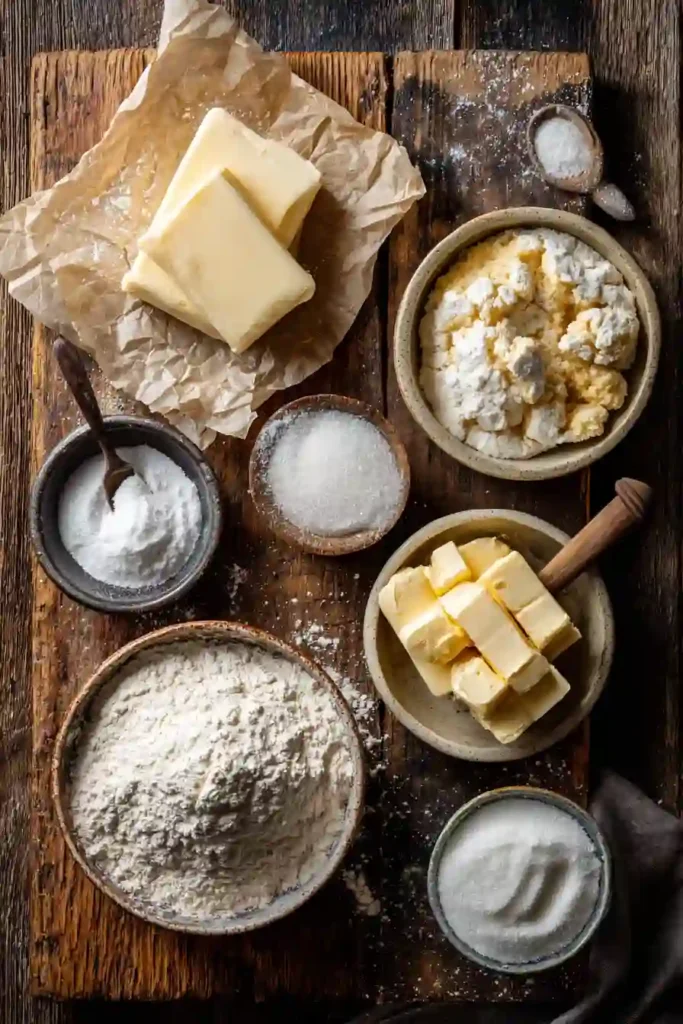
- 2½ cups all-purpose flour
- 1 cup butter, room temperature
- ½ cup white sugar
- 1 tablespoon white sugar, for sprinkling
Instructions
- Preheat your oven to 300°F (150°C).
- Gather all ingredients and allow the butter to soften to room temperature.
- In a large mixing bowl, combine the flour, butter, and ½ cup sugar.
- Mix until a soft dough forms and holds together when pressed.
- Press the dough evenly into an ungreased 11½ x 7½-inch jelly roll pan.
- Smooth the surface with your hands or the back of a spoon.
- Use a fork to prick the dough all over. This helps prevent puffing during baking.
- Sprinkle the remaining tablespoon of sugar evenly over the top.
- Bake for 20–30 minutes or until the edges are lightly golden brown.
- Remove from the oven and immediately cut into squares or fingers while still warm.
- Allow the shortbread to cool completely in the pan.
- Carefully remove and serve.
Tips & Tricks
- Use high-quality butter for the best flavor.
- Do not overmix the dough, as this can make the shortbread tough.
- Chill the dough for 15 minutes before baking if your kitchen is warm.
- For extra richness, use European-style butter.
- Score the dough before baking for cleaner cuts.
- Add a pinch of salt if using unsalted butter.
- Store in an airtight container to maintain freshness.
Details
Prep Time: 10 minutes
Cook Time: 25 minutes
Total Time: 35 minutes
Yield: 12 servings
Category: Dessert
Method: Baking
Cuisine: Scottish
Difficulty: Easy
Dietary Notes: Vegetarian

Notes
- Traditional Scottish Shortbread relies on butter as the primary flavor.
- The dough should be soft but not sticky.
- Shortbread continues to firm up as it cools.
- A light golden edge indicates perfect doneness.
- Avoid overbaking to preserve the tender texture.
Nutrition
Approximate values per serving:
- Calories: 210
- Protein: 2g
- Carbohydrates: 21g
- Fat: 13g
- Saturated Fat: 8g
- Fiber: 1g
- Sodium: 5mg
FAQ
What makes Scottish Shortbread different from regular cookies?
Scottish Shortbread contains a high proportion of butter and very little liquid, giving it a crumbly, melt-in-your-mouth texture rather than a chewy consistency.
Can I use salted butter?
Yes. If using salted butter, omit any additional salt.
Why do you prick shortbread with a fork?
Pricking helps release steam and prevents the dough from puffing during baking.
Can Scottish Shortbread be frozen?
Absolutely. It freezes well for up to 3 months when stored in an airtight container.
How long does homemade shortbread stay fresh?
Stored properly, it remains fresh for up to one week at room temperature.
Can I add flavors to shortbread?
Yes. Vanilla extract, lemon zest, orange zest, or finely chopped nuts are popular additions.
Storage
Room Temperature
Store in an airtight container for up to 7 days.
Refrigerator
Can be refrigerated for up to 2 weeks.
Freezer
Freeze for up to 3 months in a sealed freezer-safe container.
Similar Recipes
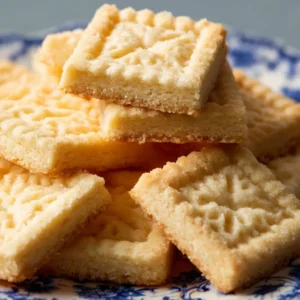
Scottish Shortbread Recipe
Ingredients
- 2½ cups all-purpose flour
- 1 cup butter room temperature
- ½ cup white sugar
- 1 tablespoon white sugar for sprinkling
Instructions
- Preheat your oven to 300°F (150°C).
- Gather all ingredients and allow the butter to soften to room temperature.
- In a large mixing bowl, combine the flour, butter, and ½ cup sugar.
- Mix until a soft dough forms and holds together when pressed.
- Press the dough evenly into an ungreased 11½ x 7½-inch jelly roll pan.
- Smooth the surface with your hands or the back of a spoon.
- Use a fork to prick the dough all over. This helps prevent puffing during baking.
- Sprinkle the remaining tablespoon of sugar evenly over the top.
- Bake for 20–30 minutes or until the edges are lightly golden brown.
- Remove from the oven and immediately cut into squares or fingers while still warm.
- Allow the shortbread to cool completely in the pan.
- Carefully remove and serve
Notes
- Traditional Scottish Shortbread relies on butter as the primary flavor.
- The dough should be soft but not sticky.
- Shortbread continues to firm up as it cools.
- A light golden edge indicates perfect doneness.
- Avoid overbaking to preserve the tender texture
Conclusion
This Scottish Shortbread recipe showcases how a handful of simple ingredients can create a truly unforgettable treat. Rich butter, delicate sweetness, and a perfectly crumbly texture make these traditional shortbread cookies a favorite for holidays, afternoon tea, and everyday indulgence. Once you try homemade Scottish Shortbread, you’ll understand why this classic recipe has remained beloved for centuries.